ENFERMERÍA CUIDÁNDOTE - ISSN 2695-9364
Arcos Aguilera D, Guerra Marmolejo C. Perceptions of physiotherapy treatment on quality of life in patients with COPD
Perceptions of physiotherapy treatment on quality of life in patients with COPD
Percepciones del tratamiento fisioterapéutico sobre la calidad de vida en pacientes con EPOC
Author:
- Delia Arcos Aguilera
 . Costa del Sol University Hospital. Marbella. Spain.
- Cristina Guerra Marmolejo. University of Malaga. Malaga. Spain.
- Delia Arcos Aguilera. Costa del Sol University Hospital. Marbella. Spain.
Correo electrónico: deliaarcos95@gmail.com
- 05/12/2025
- 09/02/2026
- 24/11/2026
- Arcos Aguilera D, Guerra Marmolejo C. Perceptions of physiotherapy treatment on quality of life in patients with COPD. Enferm Cuid. 2026;9. https://doi.org/10.51326/ec.9.7297624
 Las obras se publican en esta revista bajo una licencia Creative Commons Attribution 4.0 International License (CC BY 4.0) que permite a terceros utilizar lo publicado siempre que mencionen la autoría del trabajo y a la primera publicación en esta revista.
|
Abstract Chronic Obstructive Pulmonary Disease (COPD) is the third leading cause of mortality globally and severely limits patients’ functionality and quality of life. Respiratory physiotherapy is fundamental in its management; however, current research is predominantly quantitative, leaving a gap in understanding patients’ qualitative experiences and perceptions of this treatment. This study aimed to explore the perceptions of COPD patients at Costa del Sol Hospital concerning their physiotherapy treatment, analyzing its influence on their quality of life and role performance. A qualitative methodology with a hermeneutic phenomenological approach was employed. The study population consisted of patients diagnosed with COPD, aged between 45 and 70, who had received at least one month of treatment at Costa del Sol University Hospital. Data were collected through individual semi-structured interviews. Data analysis was performed through the coding and categorization of units of meaning using the Atlas.Ti (9.0) software, from which main themes and subthemes were extracted. The analysis ultimately identified six main categories reflecting the participants’ perceptions: 1) General Perception, 2) Perceived Benefits, 3) Impact on Quality of Life, 4) Impact on Role Performance, 5) Therapeutic Relationship, and 6) Perceived Barriers. The study concluded that physiotherapy for COPD significantly and positively impacts patients’ quality of life and their ability to perform their daily roles. Keywords: COPD; Quality of Life; Respiratory Physiotherapy; Role Performance. |
|
Resumen La Enfermedad Pulmonar Obstructiva Crónica (EPOC) es la tercera causa global de mortalidad y limita severamente la funcionalidad y la calidad de vida. La fisioterapia respiratoria es fundamental en su manejo; sin embargo, la investigación actual es predominantemente cuantitativa, dejando un vacío en la comprensión de las vivencias y percepciones cualitativas del paciente sobre este tratamiento. Este estudio tuvo como objetivo explorar las percepciones de los pacientes con EPOC del Hospital Costa del Sol sobre su tratamiento fisioterapéutico, analizando su influencia en la calidad de vida y en el desempeño de sus roles. Se empleó una metodología cualitativa con un enfoque fenomenológico hermenéutico. La población de estudio fueron pacientes con diagnóstico de EPOC, entre 45 y 70 años, con al menos un mes de tratamiento en el Hospital Universitario Costa del Sol. La técnica de recolección de datos fue la entrevista semiestructurada individual. El análisis de los datos se realizó mediante la codificación y categorización de unidades de significado, utilizando el software Atlas.Ti (9.0), de donde se extrajeron temas principales y subtemas. El análisis permitió identificar seis categorías principales que reflejan las percepciones de los participantes: 1) Percepción general, 2) Beneficios percibidos, 3) Impacto en la calidad de vida, 4) Impacto en el desempeño de los roles, 5) Relación terapéutica y 6) Barreras percibidas. El estudio concluye que la fisioterapia en EPOC impacta positivamente y de manera significativa en la calidad de vida y en la capacidad de los pacientes para desempeñar sus roles diarios. Palabras clave: Calidad de Vida; Desempeño de Rol; EPOC; Fisioterapia Respiratoria. |
|
Introduction Respiratory physiotherapy is fundamental in the management of Chronic Obstructive Pulmonary Disease (COPD), as it significantly contributes to improving lung function and reducing symptoms, which has a direct impact on enhancing quality of life for patients. COPD represents a significant burden on global health, ranking as the third leading cause of death worldwide. By 2030, approximately 7.5 million people will die from tobacco-related diseases, with a worryingly higher impact on the young population. COPD is characterized by a persistent and progressive limitation of airflow, with smoking being its main etiological factor1-2. Chronic and progressive dyspnea is the most characteristic and debilitating symptom, reducing exercise capacity and considerably affecting health-related quality of life (HRQoL). The main COPD-specific questionnaires that measure health-related HRQoL are the Saint George's Respiratory Questionnaire (SGRQ) and the Chronic Respiratory Disease Questionnaire (CRQ). More recently, the COPD Assessment Test (CAT) has been incorporated 3. COPD progressively impacts functionality and personal role performance. Dyspnea, which initially appears during exertion, generates substantial limitations in lifestyle and profoundly alters roles (family, social, work). This critical change is evidenced by a shift toward dependent roles, causing frustration, guilt, and loss of autonomy. Low self-efficacy fuels a vicious cycle of inactivity and isolation, which exacerbates anxiety and depression and promotes sedentary behavior4-6. This complex clinical reality has motivated an expansion of research in recent years to quantify the effects of the disease and various therapeutic procedures, including physiotherapy7-10. The management of COPD goes beyond pharmacological treatment (corticosteroids, bronchodilators). Non-pharmacological therapy is an essential pillar, where Pulmonary Rehabilitation (PR) stands out due to its positive impact, significantly improving exercise capacity, health status, and dyspnea in stable patients11-12. The American Thoracic Society (ATS) and the European Respiratory Society (ERS) define PR as individualized treatment based on a comprehensive assessment to optimize the physical and mental condition of individuals with chronic disease. PR programs should integrate assessment, education, exercise, physiotherapy, nutrition, and psychosocial support12. Exercise training is the cornerstone of respiratory physiotherapy, aimed at optimizing exercise tolerance and muscle strength. Complementarily, respiratory physiotherapy focuses on improving ventilatory efficiency and secretion clearance. Key techniques include pursed-lip suctioning, which reduces air trapping by generating positive airway pressure. Specific methods for bronchial hygiene include autogenic drainage (AD), slow open glottis total expiration (SOLTE), and active cycles of breathing techniques (ACBT)13-15. Positive expiratory pressure (PEP) devices and inspiratory muscle training (IMT) equipment (e.g., Powerbreathe® or Pulmo-gain®) are also used, which are essential for building diaphragmatic strength and facilitating expectoration16-17. Despite the importance of physiotherapy treatment in the management of COPD, few qualitative studies have explored patients' experiences in depth. Most available research has focused on quantitative studies, primarily using questionnaires. However, there is growing interest in patient-centered care, a model that places greater emphasis on understanding and valuing each individual’s concerns, preferences, and values. The patient's perception, therefore, becomes particularly relevant. Understanding how individuals experience their disease and treatment not only enriches scientific knowledge but is also crucial for optimizing clinical interventions and improving quality of life18-20. Based on the above, the objective of this study was to explore the perceptions of COPD patients regarding physiotherapy treatment at Costa del Sol Hospital and to examine how this treatment influences their quality of life and ability to perform their daily roles. Understanding these perceptions may help to inform the development of management strategies that are better aligned with the real needs and expectations of individuals living with COPD. Methods Design A qualitative study design based on Heidegger's hermeneutic phenomenology was used, with the aim of "discovering the meaning of being and existence for human beings." The interpretive paradigm was chosen because it focuses on understanding and interpreting reality from the perspective of the people being studied21-22. Study Population The participants were patients with COPD who were receiving physiotherapy treatment in the rehabilitation unit of Costa del Sol Hospital. Eligibility Criteria The inclusion criteria were: patients between 45 and 70 years of age; patients having received at least one month of treatment; with a clinical diagnosis of COPD; and who attended rehabilitation at Costa del Sol University Hospital. The exclusion criteria were: patients with cognitive impairment and/or high level of dependence in performing activities of daily living; patients with difficulties speaking Spanish, and those who did not complete the informed consent form. Recruitment continued until data saturation was reached, defined as the point at which the information obtained became repetitive, redundant, and no new insights emerged. The estimated number of participants required to reach this saturation was 10 patients23. Purposive sampling was used, taking into account representation by sex and age. This criterion was adopted because sex can significantly modulate the experience of the phenomenon studied, due to differences in social roles, biological factors, and psychological responses; its omission could lead to a biased understanding. Similarly, age exerts a strong influence, since different life stages involve diverse priorities, health concerns, and social contexts, elements that crucially shape individual perceptions, attitudes, and behaviors regarding the phenomenon under investigation. Data Collection Individual semi-structured interviews were conducted, as this is the most commonly used method in the healthcare field. Furthermore, this type of interview is more likely to elicit a more open-ended response from participants than in a standardized interview or a questionnaire24. These interviews were conducted by one of the researchers, who contacted the participants through a physiotherapist specialized in cardiorespiratory physiotherapy at Costa del Sol Hospital. This physiotherapist was provided with the inclusion and exclusion criteria to identify eligible patients, ensuring both her non-intervention in data collection and her lack of knowledge of specific project information. The researcher contacted the selected patients directly during their physiotherapy sessions at the hospital. In these meetings, participants were informed about the anonymity of their data and the use of a recorder for transcription. They were given an information sheet and informed consent form for their review and subsequent signature. The interviews were conducted in a comfortable, accessible room in the rehabilitation area of the hospital to facilitate participation and reduce transportation difficulties. To create a relaxing environment, the purpose of the interview was explained, and the confidentiality of the information was assured. Each interview lasted approximately 45 to 60 minutes, following an interview guideline and supplemented with field notes. To ensure participant confidentiality during transcription, the alphanumeric code "P" (participants) followed by their identification number was used. Participants were also given the opportunity to review the transcripts. Data Analysis A general understanding of the data was achieved through analysis of its overall structure, supported by field notes taken throughout the research process: a) overall impression – from chaos to themes, b) identification and classification of units of meaning (UMs) – from themes to codes, c) condensation – from codes to meaning, d) synthesis – from the condensation of descriptions and concepts. The initial UMs were established, then grouped into meaning clusters. Subsequently, the main themes and subthemes were extracted from the coding process. A recoding process was then carried out to search for new themes and UMs. Coding was finalized when theoretical saturation was reached, that is, when no new UMs were obtained. This entire process was performed using Atlas.ti software. The study adhered to the criteria of scientific rigor for qualitative research, specifically credibility, transferability, dependability, and conformability25. Ethical Considerations This study was approved by the Ethics Committee (February 14, 2025). Prior to obtaining informed consent, participants were informed of the nature of the study, its implications, and their right to withdraw at any time without providing a reason. They were also informed that participation was entirely voluntary and that the information obtained was used exclusively for the specific purposes of the study. Data processing complied with Regulation (EU) 2016/679 of the European Parliament and of the Council of 27 April 2016 and Law 3/2018 of 5 December on the Protection of Personal Data and Guarantee of Digital Rights. All data were processed anonymously and confidentially, and the recordings were deleted upon completion of the study. During the study period, the data, recordings, and transcripts were stored on the University of Malaga’s OneDrive platform. Access was restricted to the research team only, in accordance with Law 14/2007 of July 3 on Biomedical Research, guaranteeing the protection and confidentiality of the data. Results Table 1 presents the demographic characteristics of the participants, including the variables of gender, age, place of residence, and time since COPD diagnosis. The study sample consisted of eight adults with COPD. Although an initial sample of ten had been estimated, additional recruitment was not necessary as code saturation was reached. The participants' ages ranged from 45 to 70 years and five were men. As detailed in the table, the time since COPD diagnosis ranged from two to fourteen years (mean time since diagnosis = 7.5 years). The analysis of the semi-structured interviews allowed us to identify six main categories reflecting the participants' perceptions and experiences regarding physiotherapy treatment (Table 2). Figure 1 depicts the relationships among these categories. 1. General perception of physiotherapy treatment The participants’ overall perception of treatment was often influenced by their initial expectations and general attitude toward the treatment. These aspects were further shaped by their overall evaluation of the physiotherapy after experiencing it. The participants approached this process with preconceptions based on their illness. Some expected that physiotherapy would focus on breathing exercises, while others anticipated the use of machines. Regardless of these expectations, all emphasized the many doubts they had. “I didn’t really know what the treatment was until I saw it in person” (p2). “I knew it was physiotherapy, I mean, breathing techniques, that was the first thing I thought” (p3). Once the treatment began, the participants' overall assessment was positive, which in turn boosted their confidence. This was due either to improvements in their condition or to the maintenance of their existing health status. They highlighted their general satisfaction with the process. “...it's like a place where you know they're going to help you. I mean, the truth is, the physiotherapy time helps you a lot...” (p6). The participants’ attitude towards physiotherapy treatment was characterized by active commitment and increasing proactivity. Accepting their condition was the first step in this process, followed by a desire for constant improvement, despite the frequent resistance to adopting new habits. However, the treatment provided the structure and motivation necessary to break this pattern, facilitating adherence to the treatment. “You have a schedule, you have to leave the house, you have to do it” (p6). 2. Perceived Benefits of Physiotherapy Treatment Prior to physiotherapy, the participants experienced significant physical limitations. Simple movements became constant and painful reminders of what they could no longer do. The result of their physiotherapy reflected a perceived tolerance, allowing them to rediscover freedom with each step, each deep breath, and each recovered gesture. “Before, it was perhaps harder for me to climb stairs, to bend down to wash my feet in the shower, and so on. I would get a little winded, but not anymore, now I get much less winded” (p8). The increased mobility also brought with it an associated psychological well-being. With each small physical advance, the feeling of being trapped, of not being able to do what was once natural, began to dissipate, giving way to a growing motivation to keep moving forward. Accepting their new reality marked a new stage, allowing participants to regain their confidence in their abilities and boost their spirits. “Because from being a piece of meat with eyes, they can make you a normal person” (p2). “It has changed me because it has given me a little more encouragement to face the illness and to take care of myself too” (p4). The sensation of experiencing shortness of breath or strain in a given situation created a feeling of frustration and overwhelm for the participants. The acquisition of knowledge empowered them to manage their condition more effectively in their daily lives. It provided them with tools and knowledge to self-manage their condition and adopt healthier lifestyle habits, transforming them into active participants. “Yes, because now I know that if I’m walking down the street and I get one of those breathing difficulties, I know what to do, how to breathe properly so I can keep walking” (p5). 3. Impact on Quality of Life Physical therapy was a key catalyst in improving the quality of life of the participants, significantly impacting their physical, psychological, and social well-being. Initially, weakness and dependence were a daily reality. With each session, the transformation progressed toward functionality. The physical dimension was the first to improve. Participants who had previously been confined to a sofa now experienced a remarkable increase in physical capacity. The influence of physical therapy became a guide for adopting healthy habits. “Man, I’m more careful about what I eat. I didn’t worry about it at all before. Now I am, I have my beer and a steak now and then, my beef liver, I mean, I try to take care of myself in ways I didn’t before” (p2). “I couldn’t do anything before, not in recent months… I mean, there was the sofa, the house, the bed, the armchair, the bathroom, and little else. And the truth is, I’ve noticed a huge difference, a massive difference, and what’s more, you can tell the difference yourself because… I think everyone has their limitations; for me, it was the effort of cleaning up high with my arms, and now I’m so much better” (p6). The hardest battle wasn’t always visible. The silent struggle against the overwhelming mental load, the difficulty breathing, and chronic fatigue, along with the accumulated stress, eased as the physical improvement manifested itself, generating a feeling of relief and a decrease in stress. “…What I do notice in myself is that things don’t affect me as much anymore, I mean, I see things more naturally…” (p2). As stress and fatigue lessened, their mood became intertwined with the social dimension. The simple act of attending treatment itself became a break from monotony and isolation, transforming the hospital into a space for connection. Social interaction and leaving home were highly valued. “Normally, you always fit in with someone… If there’s someone there, they’ll talk to you, like, ‘How are you?’… ‘You used to smoke too, right?’ It’s kind of like an Alcoholics Anonymous meeting, isn’t it? Yes, ‘Hi, my name is XXX, and I’m an ex-smoker, and I beat myself up because it’s like we brought it on ourselves’” (p2). “I like coming here because you talk about something different, you break out of the routine, you break out of the monotony” (p3). 4. Impact on Role Performance COPD has an impact on participants’ role performance, completely changing it. Many reported disruptions in their personal role, expressed a deep desire not to be perceived as a burden, and emphasized the importance of maintaining their autonomy. Physiotherapy provided participants with the tools and strength necessary to maintain an active role in their homes and daily lives. By enabling them to resume leisure activities and enjoy themselves, physiotherapy significantly improved personal satisfaction and overall quality of life. “...I walk to the city center and to Mass, I go for walks and walk. And now, when the weather gets nicer, since I have the beach right in front of me, I'll go to the beach because I like it, to walk and swim, I spend seven hours at the beach...” (p2). Physiotherapy enabled participants to maintain or resume caregiving responsibilities for other family members, reflecting their deep desire to contribute to family well-being. “…Before, I couldn’t [care for the grandchildren], in recent months I couldn’t… well, there was the sofa, house, bed, armchair, bathroom, and little else. But thanks to physiotherapy, things are back to normal. Mom, if he’s sick, come upstairs; Mom, if he’s not sick, I’ll bring him downstairs.…” (p6). 5. Therapeutic Relationship The therapeutic relationship was identified by participants as a starting point in their physiotherapy experience. The role of the healthcare professional in COPD treatment was key for providing guidance and emotional support. Participants emphasized that the physiotherapist acted as their guide, helping them better understand their condition and develop effective strategies for managing their daily lives. This guidance was complemented by support often perceived as psychological, addressing the emotional dimension of living with a chronic illness. Furthermore, the close and fluid communication established by the professionals was considered a fundamental factor. This empathetic and ongoing interaction not only facilitated the understanding of treatment guidelines but also reinforced participants’ psychological well-being, as they felt heard and understood in their journey with the illness. “…And the truth is that coming here, X was what opened my eyes. I tell myself, I'm older, but I'm not an old man, I still feel mentally sharp and eager to live, I mean, I have to make an effort…” (p2). 6. Perceived Barriers Despite the great strides made, participants acknowledged that the path to a fulfilling life remained challenging. Among the perceived barriers were moments when their bodies reminded them of past battles, and although their condition had improved, they had to learn to live with an ongoing invisible internal struggle. The visible barrier was the slow pace of the healthcare system in processing referrals to the rehabilitation unit. “So, he says, right now these hospitals, and especially this referral hospital, are full of COVID, very serious COVID, people recovering from COVID, and the pulmonology department was completely overwhelmed. And so… well, the referral kept getting postponed” (p6). “Today I decided to take apart the whole kitchen and I did it… But I was pushing and shoving, I mean, and that went on for a while, and your life adapts to that” (p6). Discussion This study examined the lived experiences of patients with COPD receiving physiotherapy treatment at Costa del Sol Hospital, focusing on its impact on their quality of life and daily role performance. Analysis of the information gathered through semi-structured interviews provide insights into participants’ perceptions of the treatment, highlighting the main benefits and limitations they experienced during the physiotherapy process. Our results reveal widespread and positive recognition of the effectiveness of respiratory physiotherapy among participants. They reported improvements in their ability to perform physical exercise, giving them back a part of their lives they thought had been lost. Most importantly, these gains translated into greater autonomy in their daily activities. These findings are consistent with evidence that suggests pulmonary rehabilitation significantly improves health-related quality of life in patients with COPD26-27. Experiencing these functional improvements is a key driver of positive perception, as the theoretical benefits are transformed into validated experiences for the patient. A central aspect of the participants' perceptions was the multifaceted benefit of the treatment. Beyond the physiological improvements, physiotherapy was valued for its role in reducing anxiety and depression, burdens that often accompany chronic illnesses. The literature consistently demonstrates that pulmonary rehabilitation programs improve emotional well-being and self-efficacy, which in turn positively impact quality of life and treatment adherence28. Additionally, the education provided by the physical therapists, including guidance on symptom management and proper use of devices, empowered patients and gave them a greater sense of control over their illness. Initially, participants consistently perceived themselves as vulnerable and dependent. Over successive sessions, progress toward functionality was observed, with physical recovery being the most evident. Reduced fatigue and increased energy allowed for greater mobility and agility. Participants who were previously sedentary experienced considerable physical improvement. Physical therapy not only encouraged movement but also promoted the adoption of healthy lifestyle habits. These improvements in physical capacity are consistent with recent literature reporting increased exercise capacity and decreased dyspnea following pulmonary rehabilitation programs in patients with COPD30-31. Participants also described an overwhelming mental burden, referring to themselves as carrying a heavy load. These accounts reflect how physical recovery directly supports emotional stability and the ability to cope with chronic illness. This aligns with recent systematic reviews indicating that pulmonary rehabilitation can modestly improve anxiety and depression in adults with COPD32-33; and qualitative studies have explored strategies for managing anxiety related to COPD during rehabilitation34. Receiving physiotherapy in a hospital setting was a noteworthy aspect, with both social and psychological dimensions. Participants reported that sharing experiences with others facing similar challenges created a sense of community and mutual support, helping to combat the social isolation common in individuals with COPD35. Although some recent quantitative studies on the direct impact of pulmonary rehabilitation on social support have shown non-significant results36, our qualitative findings suggest that the social interaction inherent in the program is highly valued by patients, contributing to greater psychological and social resilience37. Participants expressed that interaction with other patients who shared their condition together with the structured hospital environment served as an additional incentive. This highlights a need that is often left unaddressed in home-based care models. This point contrasts with the findings38, of a qualitative study on home-based pulmonary rehabilitation, in which patients valued the comfort and flexibility of home care, but also noted the need for greater supervision and social support. The discrepancy between these findings could suggest that, while home care offers logistical advantages and convenience, the social and supportive environment of the hospital is a significant motivational factor for many patients. COPD was also described as having altered the participants' previous sense of self in their life roles39. However, the physiotherapy intervention was perceived as a turning point that allowed them to regain vital roles, especially in the family and personal spheres, allowing a reorganization of their lives. A notable aspect identified in this study was the ability of physiotherapy to enable patients to maintain or resume caregiving roles for other family members. This reflects a deep desire to contribute to family well-being and reaffirm their identity as caregivers. While recent literature has placed greater emphasis on the burden and unmet needs of caregivers of patients with COPD40-41, our qualitative findings offer a complementary perspective, describing how patient rehabilitation can partially reduce caregiver burden by allowing patients to regain their active and supportive roles within the family. A key element of the entire process is the therapeutic relationship. Participants highlighted how the physiotherapist acted as their guide, helping them to better understand their condition and develop effective strategies for managing their daily lives. According to participants, this guidance is complemented by support often perceived as psychological, addressing the profound emotional dimension of living with a chronic illness. Recent literature corroborates the importance of the patient-healthcare professional relationship in chronic diseases, where effective communication, patient empowerment, and emotional support consistently improve adherence and health outcomes42-43. Our results identified several perceived barriers that, although often subtle or internal, affect the patient's experience with the disease and its treatment. Persistent physical limitations represent an internal struggle that participants have to cope with. The need to adjust expectations and daily life to residual limitations, even after rehabilitation, is a critical aspect of living with COPD and can influence long-term adherence to and perception of treatment. An external barrier identified by patients was the slowness of the healthcare process in referring patients to the rehabilitation unit. Delays in accessing pulmonary rehabilitation are a well-documented problem and a significant limitation to the optimal management of COPD 44. The main limitation of this study was the limited availability of in-depth data on the topic. Additionally, the researcher's presence and her own beliefs or preconceptions may have influenced the participants' responses. The most important implication for clinical practice is the need for empathetic communication to manage patient expectations and foster a proactive attitude, as perceptions of treatment directly influences adherence. It is also essential to recognize that the benefits of physiotherapy extend beyond physical improvements, significantly impacting psychological well-being and quality of life. Therefore, rehabilitation programs should adopt a holistic approach, integrating psychological support and education. Conclusions This research revealed that patients with COPD perceived physiotherapy treatment at Costa del Sol Hospital as having a positive impact on their well-being, fostering greater motivation and adherence to treatment. Similarly, the positive perception of improvement in physical capacity allowed participants to perform movements and activities that had previously been restricted. Beyond the physical benefits, the treatment also significantly contributed to their psychological well-being, alleviating the mental burden of living with COPD. The knowledge gained empowered them, allowing them to integrate healthier habits into their daily lives. Despite these benefits, several barriers were identified including the persistence of physical limitations and delays in referral to rehabilitation services. Furthermore, the treatment helped participants recover and redefine their personal and family roles. As they improved their functional capacity, they went from being primarily recipients of care to actively participating as caregivers within their families and engaging in valued personal hobbies, thus improving their self-esteem. Overall, the physiotherapy intervention was perceived as improving quality of life across physical, psychological, and social dimensions. The hospital environment, initially associated with illness, became a supportive community space that reduced the social isolation commonly experienced by patients with COPD. References |
|
1. Gómez Sáenz JT, Quintano Jiménez JA, Hidalgo Requena A, González Béjar M, Gérez Callejas MJ, Zangróniz Uruñuela MR, et al. Enfermedad pulmonar obstructiva crónica: morbimortalidad e impacto sanitario. Semergen. 2014;40(4):198-204. https://doi.org/10.1016/j.semerg.2013.12.009 2. Mirza S, Clay RD, Koslow MA, Scanlon PD. COPD Guidelines: A Review of the 2018 GOLD Report. Mayo Clin Proc. 2018;93(10):1488-502. https://doi.org/10.1016/j.mayocp.2018.05.026 3. Ayora AF, Soler LM, Gasch AC. Analysis of two questionnaires on quality of life of Chronic Obstructive Pulmonary Disease patients. Rev Lat Am Enfermagem. 2019;27:e3148. https://doi.org/10.1590/1518-8345.2624.3148 4. Pinto JMS, Vieira LJE, Nations MK. Breath of life: experience with COPD in the context of urban poverty in Fortaleza, Ceará State, Brazil. Cad Saúde Pública. 2008;24(12):2809-18. https://doi.org/10.1590/S0102-311X2008001200009 5. Strang S, Fährn J, Strang P, Ronstad A, Danielsson L. Support to informal caregivers of patients with severe chronic obstructive pulmonary disease: a qualitative study of caregivers’ and professionals’ experiences in Swedish hospitals. BMJ Open. 2019;9(8):e028720. https://doi.org/10.1136/bmjopen-2018-028720 6. Wouters EF. Chronic obstructive pulmonary disease. 5: systemic effects of COPD. Thorax. 2002;57(12):1067-70. https://doi.org/10.1136/thorax.57.12.1067 7. American Thoracic Society. Pulmonary rehabilitation 1999. Official Statement of the American Thoracic Society. Am J Respir Crit Care Med. 1999;159(5):1662-82. https://doi.org/10.1164/ajrccm.159.5.ats2-99 8. Jones PW. Quality of life, Health Status and Functional Impairment. En: Cherniack NS, Altose M, Homma I, editores. Rehabilitation of the patient with respiratory disease. New York: McGraw-Hill; 1999. pp. 687-96. 9.Jones PW. Quality of life measurement for patients with diseases of the airways. Thorax. 1991;46(9):676-82. https://doi.org/10.1136/thx.46.9.676 10. 10.Wyjstra PJ, Van Altena R, Krann J, Otten V, Postma DS, Koeter GH. Quality of life in patients with chronic obstructive pulmonary disease improves after rehabilitation at home. Eur Respir J. 1994;7(2):269-73. https://doi.org/10.1183/09031936.94.07020269 11. Labaki WW, Rosenberg SR. Chronic Obstructive Pulmonary Disease. Ann Intern Med. 2020;173(3):ITC17–ITC32. https://doi.org/10.7326/AITC202008040 12. McCarthy B, Casey D, Devane D, Murphy K, Murphy E, Lacasse Y. Pulmonary rehabilitation for chronic obstructive pulmonary disease. Cochrane Database Syst Rev. 2015;2015(2):CD003793. https://doi.org/10.1002/14651858.cd003793.pub3 13. Ros Dopico L, Tung-Chen Y, Pilares Barco M, Muñoz García A, et al. Monitorización del tratamiento rehabilitador de la disnea de esfuerzo por COVID-19 [Monitoring of the rehabilitation therapy of COVID-19 effort dyspnea]. Enferm Infecc Microbiol Clin. 2021;39(5):258-9. https://doi.org/10.1016/j.eimc.2020.08.006 14. Ubolnuar N, Tantisuwat A, Thaveeratitham P, Lertmaharit S, Kruapanich C, Mathiyakom W. Effects of Breathing Exercises in Patients With Chronic Obstructive Pulmonary Disease: Systematic Review and Meta-Analysis. Ann Rehabil Med. 2019;43(4):509-23. https://doi.org/10.5535/arm.2019.43.4.509 15. Holland AE, Hill CJ, Jones AY, McDonald CF. Breathing exercises for chronic obstructive pulmonary disease. Cochrane Database Syst Rev. 2012;10(10):CD008250. https://doi.org/10.1002/14651858.cd008250.pub2 16. Vázquez-Gandullo E, Hidalgo-Molina A, Montoro-Ballesteros F, Morales-González M, Muñoz-Ramírez I, Arnedillo-Muñoz A. Inspiratory Muscle Training in Patients with Chronic Obstructive Pulmonary Disease (COPD) as Part of a Respiratory Rehabilitation Program Implementation of Mechanical Devices: A Systematic Review. Int J Environ Res Public Health. 2022;19(9):5564. https://doi.org/10.3390/ijerph19095564 17. Langer D, Ciavaglia C, Faisal A, Wickerson L, Mendes P, Dellaca R, et al. Inspiratory muscle training reduces diaphragm activation and dyspnea during exercise in COPD. J Appl Physiol. 2018;125(2):381–92. https://doi.org/10.1152/japplphysiol.01078.2017 18. Baxter DA, Shergis JL, Hill CJ, Worsnop C, Coyle ME. Perceptions and experiences of a manual therapy trial: a qualitative study of people with moderate to severe COPD. Chiropr Man Therap. 2021;29(1):27. https://doi.org/10.1186/s12998-021-00387-0 19. Miravitlles M, Anzueto A, Legnani D, Forstmeier L, Fargel M. Patient's perception of exacerbations of COPD—the PERCEIVE study. Respir Med. 2007;101(3):453-60. https://doi.org/10.1016/j.rmed.2006.07.010 20. Karachi F, van Nes MB, Gosselink R, Hanekom S. Patient perceptions of ICU physiotherapy: 'Your body needs to go somewhere to be recharged … '. South Afr J Crit Care. 2023;39(3):e1092. https://doi.org/10.7196/SAJCC.2023.v39i3.1092 21. Berenguera Ossó A, Fernández de Sanmamed Santos MJ, Pons Vigués M, Pujol Rivera E, Rodríguez Arjona D, Saura Sanjaume S. Escuchar, observar y comprender, aportaciones de la investigación cualitativa. Barcelona: Institut Universitari d’Investigació en Atenció Primària Jordi Gol (IDIAP J. Gol), 2014. Disponible en: https://saludcomunitaria.wordpress.com/wp-content/uploads/2014/12/escucharobservarcomprender.pdf [Consultado 03-01-2025] 22. Ledesma Albornoz Á. El método hermenéutico-fenomenológico de Martin Heidegger y la posibilidad de una investigación filosófica independiente. Stud Heideggeriana. 2021;10:245–62. https://doi.org/10.46605/sh.vol10.2021.115 23. Gentles SJ, Charles C, Ploeg J, McKibbon KA. Sampling in qualitative research: insights from an overview of the methods literature. Qual Rep. 2015;20(11):1772–89. https://doi.org/10.46743/2160-3715/2015.2373 24. Flick U. Introducción a la investigación cualitativa. 3ª ed. Madrid: Ediciones Morata; 2012. 25. Gimeno Sacristán J, Pérez Gómez A, editores. La enseñanza: su teoría y su práctica. Madrid: Akal; 1989. 26. Paz Fernández E, López García A, González Doniz L, Souto Camba S, Fernández Cervantes R. Efectos de la rehabilitación pulmonar de corta duración en pacientes con EPOC. Fisioterapia. 2016;38(3):162. https://doi.org/10.1016/J.FT.2014.10.003 27. Fernández Luque F, Labajos Manzanares MT, Moreno Morales N. Efectividad de un programa de fisioterapia en la enfermedad pulmonar obstructiva crónica. Fisioterapia. 2012;34(6):245–50. https://doi.org/10.1016/j.ft.2012.04.002 28. Muñoz-Cobos F, Acero-Guasch N, Cuenca-del-Moral R, Barnestein-Fonseca P, Leiva-Fernández F, García-Ruiz A. Cómo vivir con EPOC: percepción de los pacientes. An Psicol. 2016;32(1):162–71. https://doi.org/10.6018/analesps.32.1.186211 29. King J, Tessier S, Charette MJ, Gaudet D. Patient Education Provided by Physiotherapists for Patients with Chronic Obstructive Pulmonary Disease: Results of a Scoping Review. Physiother Can. 2018;70(2):141-51. https://doi.org/10.3138/ptc.2016-85 30. Agarwal S, Mohan A, Rathi V, Madan K, Hadda V, Mittal S, et al. Role of hybrid virtual pulmonary rehabilitation in improving performance status of patients eligible for lung transplantation. Monaldi Arch Chest Dis. 2026 May 7;96(2). https://doi.org/10.4081/monaldi.2025.3342 31. Liu W, Liu Y, Li X. Impact of Exercise Capacity Upon Respiratory Functions, Perception of Dyspnea, and Quality of Life in Patients with Chronic Obstructive Pulmonary Disease. Int J Chron Obstruct Pulmon Dis. 2021;16:1529-34. https://doi.org/10.2147/COPD.S311221 32. NIHR Evidence. Pulmonary rehabilitation may modestly improve anxiety and depression in adults with chronic obstructive pulmonary disease. Southampton: National Institute for Health and Care Research; 23 de julio de 2019. Disponible en: https://evidence.nihr.ac.uk/alert/pulmonary-rehabilitation-may-modestly-improve-anxiety-and-depression-in-adults-with-chronic-obstructive-pulmonary-disease [Consultado 19-01-2025] 33. Almdabgy EM, Qader A, Binjahlan AA, Alshalawi AM, Albeladi A, Alharbi WS, et al. The Impact of Pulmonary Rehabilitation on Mental Health and Quality of Life in Patients With Chronic Obstructive Pulmonary Disease (COPD): A Narrative Review. Cureus. 2023;15(11):e49230. https://doi.org/10.7759/cureus.49230 34. Farver-Vestergaard I, Buksted EH, Sørensen D, Jonstrup S, Hansen H, Christiansen CF, Løkke A. Changes in COPD-related anxiety symptoms during pulmonary rehabilitation: a prospective quantitative and qualitative study. Front Rehabil Sci. 2024;5:1428893. https://doi.org/10.3389/fresc.2024.1428893 35. Bouloukaki I, Christodoulakis A, Margetaki K, Aravantinou Karlatou A, Tsiligianni I. Exploring the Link between Social Support and Patient-Reported Outcomes in Chronic Obstructive Pulmonary Disease Patients: A Cross-Sectional Study in Primary Care. Healthcare (Basel). 2024;12(5):544. https://doi.org/10.3390/healthcare12050544 36. Almeida S, Pimenta J, Leite P, Oliveira M, Santos T, Mota V. Impact of pulmonary rehabilitation on the social support of people with COPD. Eur Respir J. 2022;60(Suppl 66):954. https://doi.org/10.1183/13993003.congress-2022.954 37. Wouters EF, Augustin I, Calverley PMA. A new perspective on COPD exacerbations: monitoring impact by measuring physical, psychological and social resilience. Eur Respir J. 2016;47(4):1024-33. https://doi.org/10.1183/13993003.01645-2015 38.Lahham A, McDonald CF, Mahal A, Lee AL, Holland AE, Hill CJ, et al. Home-based pulmonary rehabilitation for people with COPD: A qualitative study reporting the patient perspective. Chron Respir Dis. 2018;28(1):20. https://doi.org/10.1177/1479972317729050. 39. Nygård T, Wright D, Nazar H, Haavik S. Enhancing potential impact of hospital discharge interventions for patients with COPD: a qualitative systematic review. BMC Health Serv Res. 2023;23(1):684. https://doi.org/10.1186/s12913-023-09712-0 40. Gonçalves B, Harkess-Murphy E, Cund A, Sime C, Lusher J. Patient Perceptions on the Role of Informal Caregiver Support in Managing Advanced COPD. J Patient Exp . 2025;12. https://doi.org/10.1177/23743735251341727 41.Liu H, Zhao Z, Shi H, Yang R. The Current Status of Social Isolation and the Caregiver Compassion Fatigue in Elderly COPD Patients. Clin Interv Aging. 2025;20:739–50. https://doi.org/10.2147/CIA.S504600 42. Venechuk G, Allen LA, Thompson JS, Morris MA, Matlock DD, McIlvennan CK, et al. Trust and activation in defining patient-clinician interactions for chronic disease management. Patient Educ Couns. 2023;106:113-9. https://doi.org/10.1016/j.pec.2022.09.012 43. Dwarswaard J, Bakker EJ, van Staa A, Boeije HR. Self-management support from the perspective of patients with a chronic condition: a thematic synthesis of qualitative studies. Health Expect. 2016;19(2):194-208. https://doi.org/10.1111/hex.12346 44.Oates GR, Niranjan SJ, Ott C, Scarinci IC, Schumann C, Parekh T, et al. Adherence to Pulmonary Rehabilitation in COPD: a qualitative exploration of patient perspectives on barriers and facilitators. J Cardiopulm Rehabil Prev. 2019;39(5):344-49. https://doi.org/10.1097/HCR.0000000000000436 |
|
Appendices 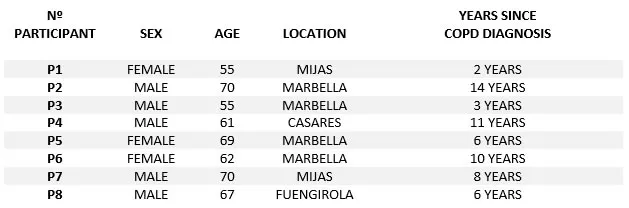 Table 1. Demographic data of the participants. *P1 = Participant 1, P2 = Participant 2, P3 = Participant 3, etc. 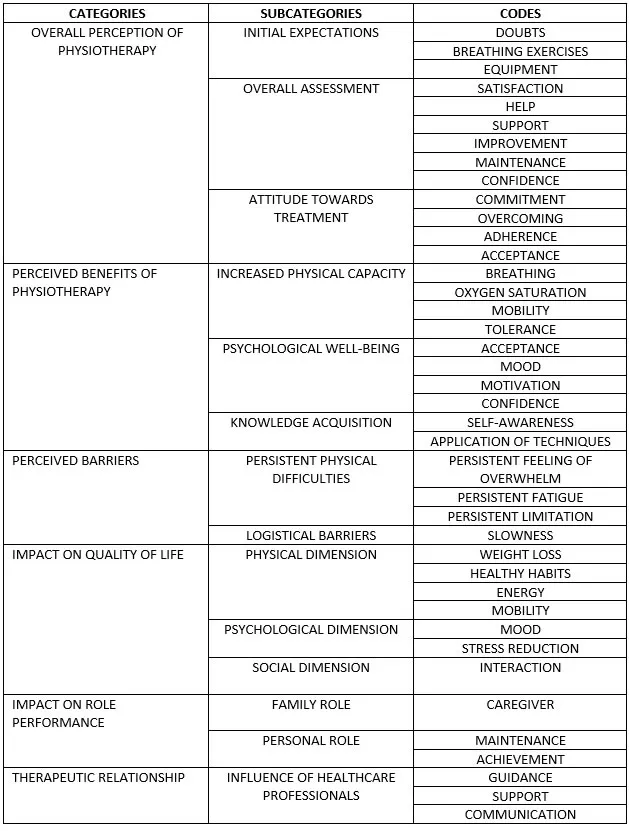 Table 2. Categories, subcategories, and codes established for the study. 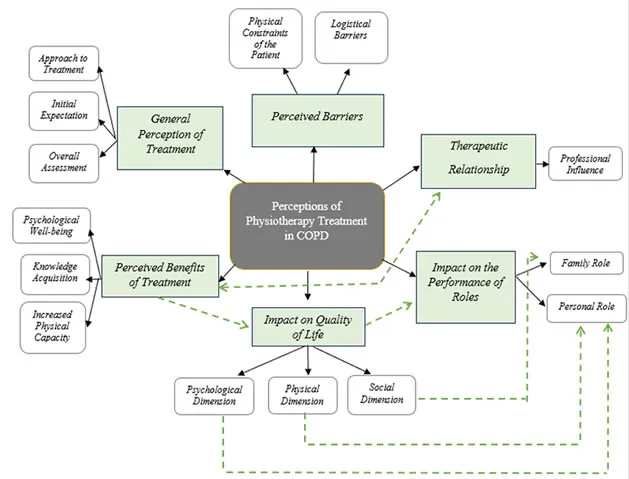 Figure 1. Conceptual map. |
Enfermería Cuidándote. 2026; 9